A Practical Guide to Choosing the Right Mechanic for Your Car
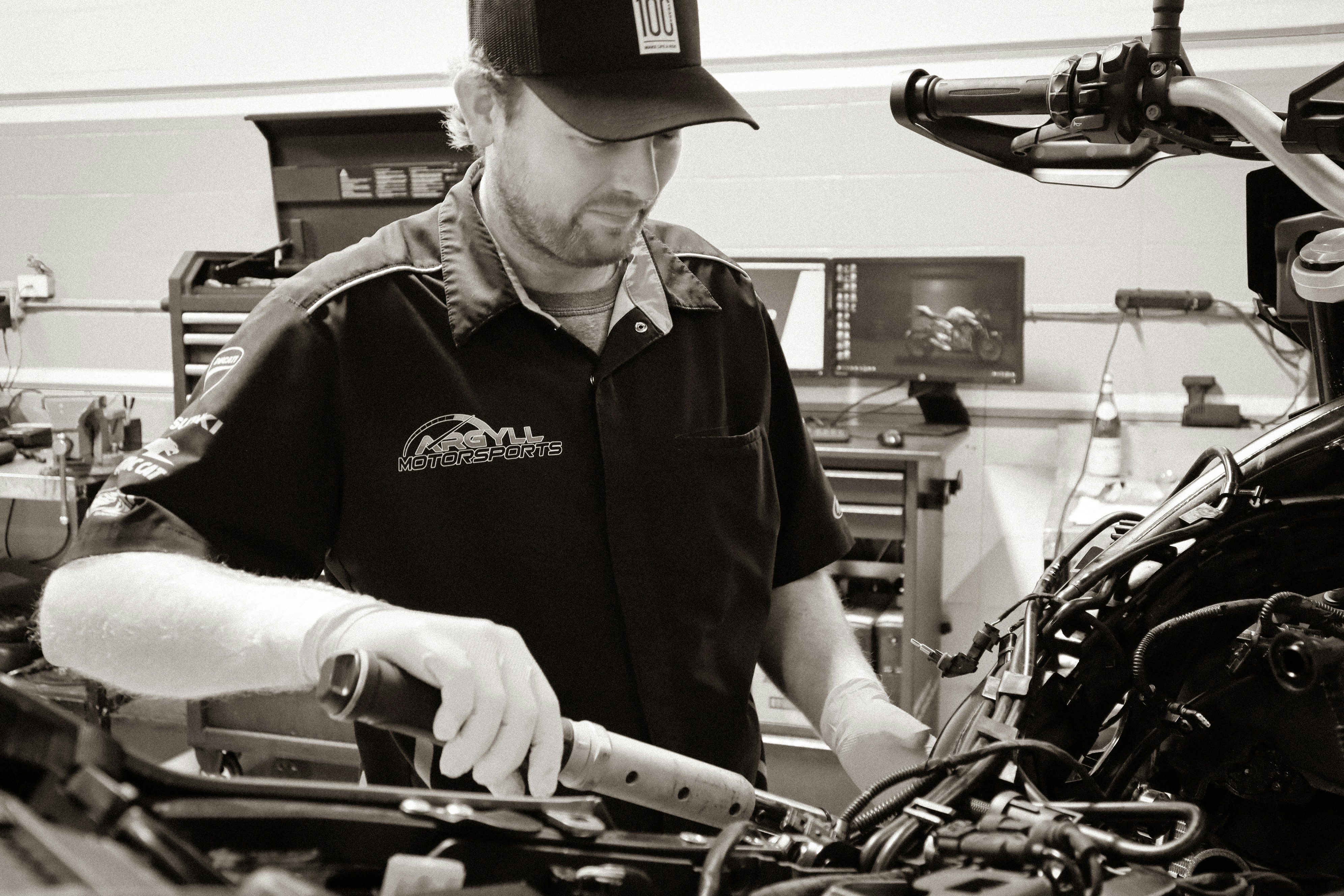
Choosing a mechanic is a decision that influences much more than a single repair outcome. It affects how safe your vehicle is on the road, how much money you spend over time, and how confident you feel as a vehicle owner. Many drivers begin educating themselves about repair quality and common warning signs by reading FIXD Reviews, especially when navigating the competitive automotive industry in Atlanta, Georgia. Trust is not created by convenience or advertising but by consistent actions that show honesty, competence, and respect for the customer. For most people, automotive repair is intimidating because vehicles are complex and problems often appear without warning.
How to Choose a Trustworthy Mechanic
Strange noises, dashboard lights, or performance changes can quickly create anxiety. A trustworthy mechanic understands this emotional aspect and works to reduce fear by offering calm explanations instead of pressure or urgency. Another critical factor is timing. Waiting until a breakdown forces a rushed decision, often based on proximity rather than quality. Choosing a mechanic in advance allows vehicle owners to evaluate behavior, professionalism, and communication without stress, leading to better long-term outcomes. Trust also develops gradually.
A mechanic who handles small maintenance jobs with care and transparency is more likely to act ethically during larger repairs. Building a relationship early creates mutual understanding and sets expectations that benefit both the customer and the shop. Ultimately, selecting a mechanic is not about finding perfection but about finding consistency. Reliable professionals show the same standards whether the repair is minor or complex, inexpensive or costly. That consistency is the foundation of trust.
Education, Certification, and Technical Capability
A trustworthy mechanic demonstrates commitment to quality through ongoing education and verified credentials. Modern vehicles rely on advanced electronics, sensors, and integrated software systems that require specialized knowledge. Mechanics who invest in continuous learning demonstrate they are prepared to work with newer technology rather than rely on outdated methods.
Certifications provide an objective way to measure technical competence. They indicate that a technician has passed standardized exams and continues to meet professional benchmarks. Reliable shops display their certifications openly and are willing to explain what they represent, demonstrating confidence and accountability rather than avoidance.
Experience strengthens reliability when paired with education. Mechanics who have worked on a wide range of vehicles develop practical judgment that improves diagnostic accuracy. When training and experience work together, customers benefit from efficient repairs, fewer unnecessary part replacements, and better long-term vehicle performance.
Communication Style and Service Transparency
Clear communication is one of the strongest indicators of trustworthiness. A reliable mechanic explains problems in straightforward language and ensures the customer understands both the cause and the recommended solution. This approach allows vehicle owners to participate in decision-making rather than feel dependent on technical authority.
Written estimates are a critical part of transparent service. Trustworthy shops provide itemized estimates that outline labor, parts, and expected timelines before work begins. This documentation gives customers time to review information, compare options, and ask questions without pressure.
Transparency must continue throughout the repair process. If additional issues are discovered, a dependable mechanic contacts the customer promptly and explains the situation honestly. Approval is requested before proceeding, and budget concerns are taken into account to prevent unpleasant surprises and misunderstandings.
Reputation, Reviews, and Behavioral Consistency
A mechanic's reputation is shaped by patterns of behavior over time rather than isolated interactions. When researching repair shops, it is essential to look for recurring themes such as honesty, reliability, and fair treatment. Consistent feedback across many customers usually reflects ethical business practices.
Personal recommendations add valuable context beyond online reviews. Friends, family, or coworkers can share how a mechanic handles follow-up visits, warranty issues, or unexpected complications. These details reveal how a shop behaves when challenges arise.
Negative feedback should be evaluated carefully rather than ignored. Even well-run businesses occasionally encounter dissatisfied customers. Trustworthy mechanics respond professionally, acknowledge concerns, and explain how issues were resolved. Defensive or dismissive responses often indicate deeper problems with accountability.
Shop Environment, Equipment, and Internal Processes
The physical condition of a repair shop offers insight into its internal discipline. Organized workspaces, labeled tools, and orderly workflows suggest attention to detail and pride in artistry. While repair shops are naturally active environments, excessive clutter can increase the risk of mistakes.
Modern diagnostic equipment is essential for accurate repairs. Reliable mechanics invest in updated tools and software that align with current vehicle technology. They are open about how diagnostics are performed and why specific tests are necessary, which reinforces transparency. Internal processes matter just as much as physical tools.
Trustworthy shops follow consistent check-in procedures, document repairs thoroughly, and perform quality checks before returning vehicles. These systems help ensure that repairs address root causes rather than provide temporary fixes.
Pricing Ethics and Long-Term Customer Value
Fair pricing is rooted in clarity and honesty rather than offering the lowest estimate. A trustworthy mechanic explains how costs are calculated and distinguishes between urgent repairs and preventive maintenance. This approach allows customers to prioritize spending without compromising safety.
Unnecessary upselling is a common concern in the automotive industry. Dependable mechanics base recommendations on manufacturer guidelines and actual vehicle condition rather than arbitrary service schedules. They explain the benefits and risks clearly, without resorting to fear-based tactics.
Long-term value comes from relationship continuity. Mechanics who maintain detailed service records and understand a vehicle's history can provide more accurate advice over time. This familiarity reduces guesswork, prevents redundant repairs, and supports proactive maintenance planning that saves money. Choosing a trustworthy mechanic is an ongoing evaluation rather than a one-time decision. By focusing on education, communication habits, reputation patterns, shop standards, and pricing ethics, vehicle owners can build reliable partnerships that protect their vehicles, finances, and peace of mind for years to come.
