DIY Vehicle Maintenance: 7 Easy Fixes to Avoid Costly Repairs
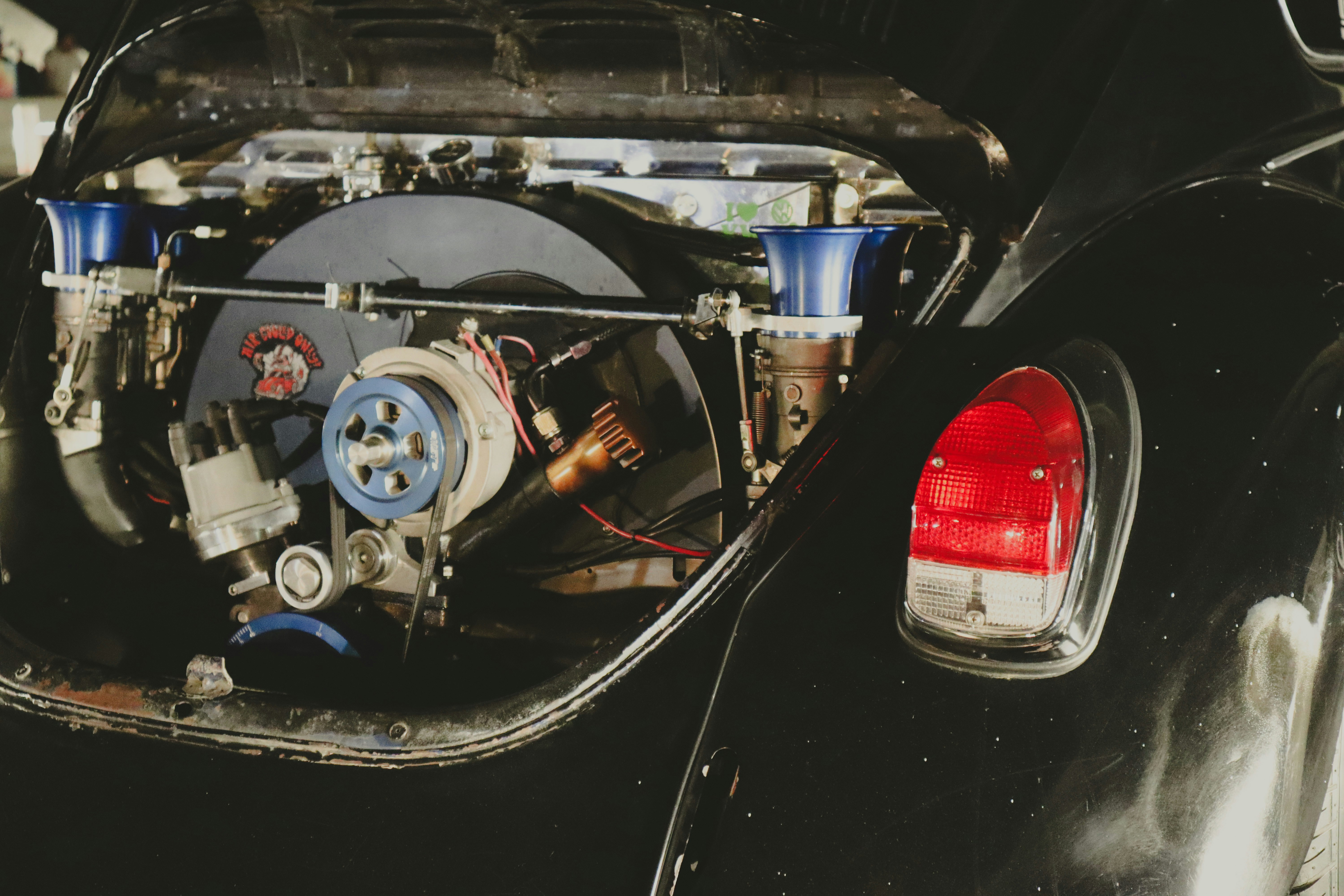
DIY car maintenance has become a practical and confidence-building habit for drivers who want to reduce ownership costs and stay in control of their vehicles, especially in driving-intensive areas like Atlanta, Georgia, where daily use accelerates wear on every system. Many drivers gain valuable insight through platforms such as FIXD Reviews, learning that consistent upkeep and early attention can prevent expensive repairs without requiring advanced mechanical knowledge. By focusing on 7 Simple Fixes, car owners can save time, avoid unnecessary stress, and keep their vehicles running reliably year after year.
1. Engine Oil Checks and Reliable Oil Changes
Engine oil is the primary line of defense against internal engine damage. It lubricates moving components, reduces friction, controls heat, and captures contaminants that would otherwise accelerate wear. Regular oil checks help drivers spot low levels, dark coloration, or thick consistency before engine performance declines. A quick dipstick inspection can reveal whether the oil is still effective or overdue for replacement.
Changing oil at home keeps maintenance predictable and prevents delays caused by scheduling conflicts or rising service costs. Draining old oil, replacing the oil filter, and refilling with the correct oil type builds good habits, such as inspecting seals and properly tightening drain plugs. These details help maintain steady oil pressure and prevent leaks.
Over time, consistent oil maintenance improves fuel efficiency and engine longevity. Drivers who handle oil changes themselves often become more familiar with engine behavior, making it easier to notice subtle changes before they escalate into serious mechanical issues.
2. Engine Air Filter Replacement for Improved Efficiency
The engine air filter plays a critical role in controlling the amount of clean air entering the combustion chamber. Proper airflow allows fuel to burn efficiently, supporting smooth acceleration and stable performance. When the filter becomes clogged with dirt and debris, airflow is restricted, forcing the engine to work harder and burn more fuel.
Replacing the engine air filter is one of the most manageable maintenance tasks available. Most filters are housed in accessible compartments secured with clips or simple fasteners. Installing a clean filter restores airflow and improves throttle response during everyday driving.
Regular air filter replacement also protects internal engine components from abrasive particles. This simple fix delivers noticeable efficiency gains while reducing long-term wear, making it one of the most cost-effective maintenance steps.
3. Cabin Air Filter Changes for Interior Comfort
Cabin air filters quietly protect the interior environment by trapping dust, pollen, and airborne pollutants before they enter the passenger compartment. Over time, clogged filters restrict airflow through heating and cooling systems, often causing weak ventilation or lingering odors.
Replacing the cabin air filter improves airflow and allows climate control systems to operate more efficiently. This improvement is especially noticeable during extreme temperatures when heating or cooling systems are under heavier demand.
Clean cabin air filters create a healthier, more comfortable driving experience. Regular replacement reduces strain on HVAC components and improves ride comfort for drivers and passengers alike.
Battery Inspection and Preventive Replacement
Car batteries supply power to the starting system and onboard electronics, yet they often fail without warning. Routine visual inspections can reveal corrosion around battery terminals, which can restrict electrical flow and weaken starting performance.
Cleaning battery terminals restores proper conductivity and can extend battery life. Periodic voltage checks help identify weakening batteries before complete failure, allowing for planned replacement rather than unexpected breakdowns.
Replacing a battery at home is straightforward and avoids emergency service calls. Proper installation, including secure mounting and correct terminal connections, reduces vibration damage and electrical issues that can affect daily reliability.
5. Brake Pad Awareness and Early Maintenance
Brake pads wear down gradually and must be monitored to prevent damage to other braking components. Warning signs such as squealing, grinding, or vibration during braking indicate the need for inspection.
Checking brake pad thickness provides insight into remaining lifespan. Understanding how pads wear encourages timely maintenance and helps prevent costly damage to rotors or calipers. Maintaining brake pads ensures consistent stopping power and a predictable braking response. Even basic awareness allows drivers to make informed decisions and avoid unnecessary or premature brake repairs.
6. Tire Pressure, Tread Inspection, and Rotation
Tires are the only point of contact between the vehicle and the road, making their condition critical to safety and efficiency. Regular tire pressure checks ensure even tread wear, stable handling, and improved fuel economy. Incorrect pressure accelerates wear and reduces traction.
Inspecting tread depth helps assess braking ability and road grip, particularly in wet or uneven conditions. Uneven wear patterns may signal alignment or suspension issues that should be addressed early. Tire rotation balances wear across all four tires, extending their lifespan and maintaining consistent traction. This simple habit improves handling confidence and reduces long-term replacement costs.
7. Essential Fluid Level Checks Beyond Engine Oil
Vehicles rely on multiple fluids to operate safely and efficiently, including coolant, brake fluid, power steering fluid, and windshield washer fluid. Low fluid levels can lead to overheating, braking issues, or steering difficulty.
Checking and topping off fluids is quick and requires minimal tools. Using the correct fluid type for each system is essential to prevent damage and ensure proper operation. Consistent fluid maintenance prevents minor issues from escalating into major mechanical failures. Paying attention to these systems reinforces proactive habits that keep the vehicle responsive, safe, and dependable.
DIY car maintenance is built on awareness, consistency, and timely action rather than advanced mechanical expertise. By following these 7 Simple Fixes, drivers can significantly reduce repair expenses, extend vehicle lifespan, and minimize unexpected breakdowns. These practical habits turn routine upkeep into a reliable strategy for saving time, money, and unnecessary stress while keeping vehicles safe, efficient, and road-ready every day.
