How Wheel Alignment Problems Can Trigger Tire and Diagnostic Codes
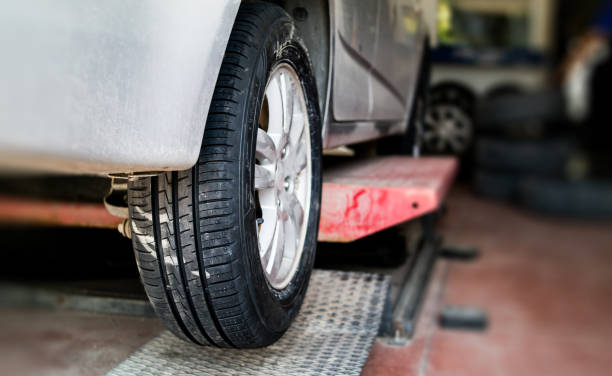
Poor wheel alignment can seem like a simple steering issue, but it can affect much more than how straight a car travels. When wheel angles move outside the proper range, tires can wear unevenly, steering can feel unstable, and sensors may begin reporting data that looks unusual to the vehicle computer. Drivers reading FIXD Reviews may also notice that modern diagnostic tools can help connect warning lights with possible mechanical causes. Understanding how alignment problems affect tires, sensors, and diagnostic codes can help drivers respond before a small issue becomes a more expensive repair.
Why Wheel Alignment Matters to Vehicle Health
Wheel alignment refers to the position and angle of the wheels compared with the road and the vehicle body. The main alignment angles include camber, caster, and toe. Each setting helps the tires meet the road correctly and keeps the vehicle stable during normal driving. When one or more angles are incorrect, the car may pull to one side, the steering wheel may sit off-center, or the tires may wear faster along one edge.
Alignment can change after a hard pothole hit, curb strike, worn suspension part, or minor collision. Even normal wear in ball joints, control arm bushings, tie rods, and wheel bearings can allow wheel angles to drift over time. These changes may not always trigger a warning light right away. However, the effects can spread through the tire, steering, braking, and stability systems, which gives the vehicle computer more chances to detect values outside the expected range.
How Misalignment Creates Uneven Tire Wear
One of the clearest signs of poor alignment is uneven tire wear. Excessive toe can scrub the tread across the road, while incorrect camber can place too much pressure on the inner or outer edge of a tire. This wear pattern reduces tire life and may also change the tire's rolling diameter. If one tire wears faster and becomes smaller, its wheel speed can differ slightly from the others even when the car is moving straight.
That difference matters because many vehicles compare wheel speed data for anti-lock braking, traction control, and stability control. A small variation may not cause an immediate fault, but a larger or repeated difference can look like a sensor or traction problem. Drivers may see an ABS light, traction control light, or stability warning without realizing that poor alignment-related tire wear helped create the condition. This is why tire inspection should be part of diagnostic work.
The Connection Between Wheel Speed Sensors and Alignment
Wheel speed sensors measure how fast each wheel is turning and send that information to several control modules. These sensors are important for anti-lock brakes, electronic stability control, and traction control. Poor alignment does not usually damage a wheel speed sensor directly. Instead, it can cause tire wear, steering angle changes, or suspension movement that makes sensor readings disagree with what the computer expects during normal driving.
For example, a tire with heavy inner-edge wear may rotate at a slightly different speed than a tire with full tread. A worn bearing or suspension joint that also caused the alignment problem can increase this difference. The computer may then store a code related to wheel speed, ABS performance, or stability control. A technician should not assume the sensor itself is bad. Checking tire condition, wheel alignment, suspension play, and wiring can reveal the real source of the warning.
Steering Angle Sensors and Diagnostic Trouble Codes
Modern vehicles often use a steering angle sensor to tell the stability system where the driver intends to go. If the steering wheel must be held slightly left or right to keep the vehicle traveling straight, the sensor may report a steering angle that does not match the car's actual path. This mismatch can trigger warning lights or store codes. A proper steering angle sensor reading depends on both correct calibration and a mechanically straight vehicle.
After an alignment, some vehicles require a steering angle sensor reset or recalibration. If you skip this step, the car may still think the steering wheel is off center even though the wheels are now correctly aligned. In other cases, a bad alignment can shift the steering wheel enough to confuse stability control calculations. Diagnostic codes may refer to sensor range, calibration, or implausible data, so review mechanical checks and scan tool data together.
Why Tire Pressure Warnings May Appear
Alignment problems can also contribute to tire pressure warning concerns, although the relationship is often indirect. A misaligned tire may wear faster, build extra heat, or develop damage because one part of the tread carries more load than it should. Heat can change tire pressure, while damage can lead to a slow leak. On vehicles with direct tire pressure sensors, a low-pressure condition may trigger the warning light even if the original cause was abnormal tire wear.
Some vehicles use indirect tire pressure monitoring instead of pressure sensors inside each wheel. These systems estimate low tire pressure by comparing wheel speed. If poor alignment creates uneven tire wear and changes one tire's rolling size, the system may detect a speed difference that looks like underinflation. A driver may keep adding air without solving the issue. Checking tread depth, pressure, alignment, and tire size can help separate a true pressure problem from a wear-related signal.
Suspension Problems Can Cause Both Misalignment and Codes
Sometimes alignment is only one symptom of a larger suspension problem. A worn ball joint, damaged control arm, loose tie rod, weak bushing, or failing wheel bearing can change wheel position while the car is moving. These parts may cause irregular tire wear and poor tracking, but they can also affect sensor tone rings, wheel speed readings, or steering behavior. In such cases, simply adjusting alignment settings may not solve the problem for very long.
A complete inspection should check for looseness, damage, and movement before alignment. If a worn part allows the wheel to shift under braking or cornering, the computer may see inconsistent wheel speed or stability data. Replacing the damaged component first gives the alignment a stable base and may also clear related diagnostic codes. This approach prevents repeated alignment work and helps avoid replacing sensors that were only reporting the effects of a mechanical fault.
How to Diagnose Alignment-Related Warning Lights
When a warning light appears along with pulling, uneven tire wear, or an off-center steering wheel, drivers should look at the whole pattern instead of treating each symptom alone. Start with tire pressure and visible tread wear, then inspect for damaged wheels or loose suspension parts. A scan tool can show stored codes and live sensor data, while an alignment check can confirm whether camber, caster, or toe is outside the vehicle maker's recommended range.
The best repair process combines electronic diagnosis with mechanical inspection. Clearing codes without fixing the cause may make the warning disappear only temporarily. Likewise, performing an alignment without checking sensor calibration may leave stability or steering warnings active. A careful technician will compare tire condition, alignment readings, suspension health, and vehicle stability diagnostics before finishing the repair. This complete view helps protect tire life, improve handling, and reduce the chance of repeat warning lights.
