Is Buying a Car Diagnostic Sensor Worth It Compared to Paying for Professional Diagnostics
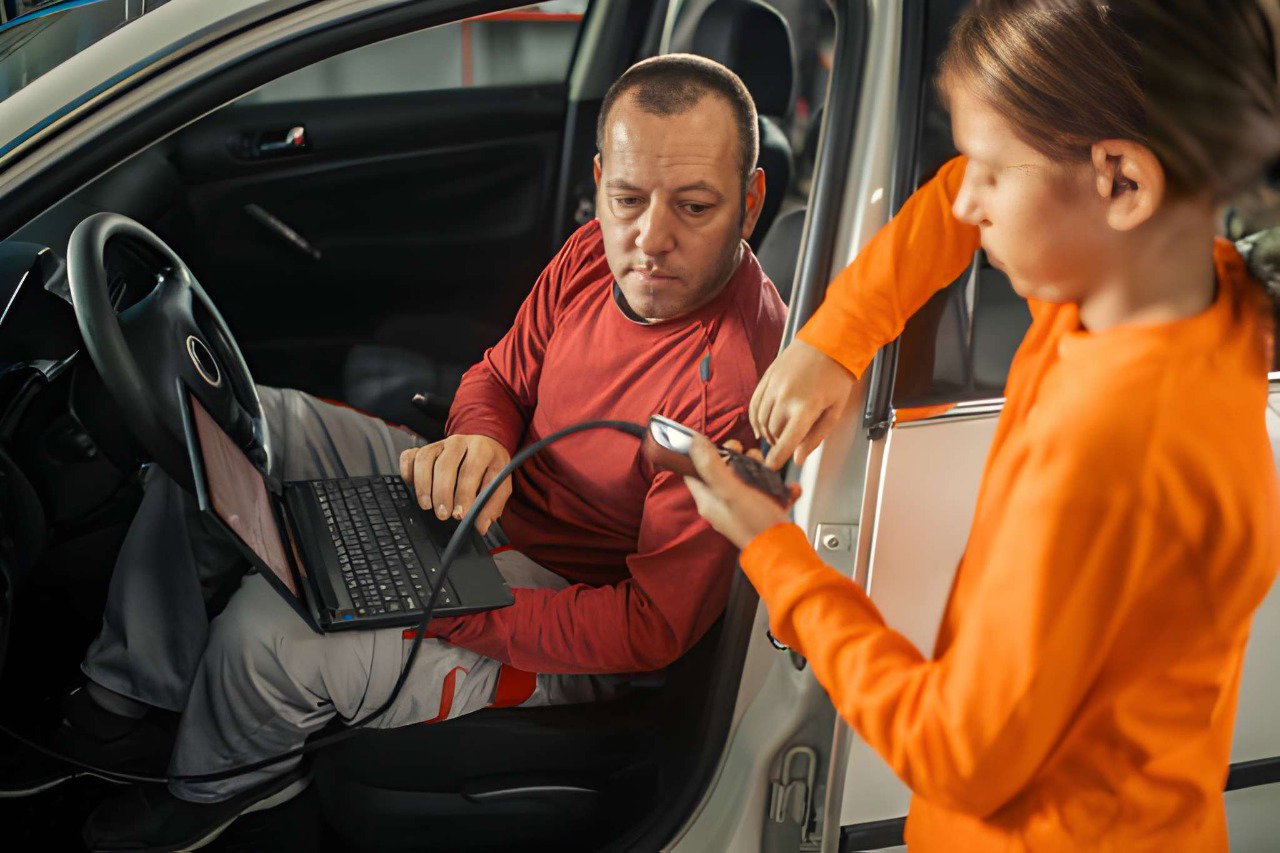
Buying a car diagnostic sensor is a smart way to avoid repeated repair bills, especially when a warning light appears without warning. Many drivers look at FIXD Reviews while comparing simple scan tools, mobile apps, and other ways to understand basic vehicle problems at home. Still, a low-cost sensor cannot replace every service a trained technician provides. The best choice depends on your car, your repair skills, how often problems occur, and whether you need a quick code reading or a complete mechanical diagnosis.
Understanding What a Car Diagnostic Sensor Does
A car diagnostic sensor, often called an OBD2 scanner or code reader, connects to a port under the dashboard. It communicates with the vehicle’s computer and reads stored trouble codes linked to the engine, emissions system, transmission, and other monitored parts. Many newer devices connect to a smartphone through Bluetooth and explain codes in plain language. This can help drivers understand why the check engine light is on before deciding whether to repair the issue, schedule service, or keep watching the vehicle.
Most consumer sensors are designed for basic troubleshooting rather than complete testing. They may show a code for a misfire, oxygen sensor fault, loose gas cap, or emissions problem. However, a code does not always identify the exact failed part. It often points to a system that detected unusual data. Drivers still need to inspect related parts, consider symptoms, and avoid replacing components based solely on a single code. The sensor provides useful direction, but it does not always provide a final answer.
Comparing Upfront Costs and Shop Fees
A basic diagnostic reader may cost between a modest one-time amount and the price of one professional inspection. More advanced models cost more because they offer live data, maintenance reminders, code definitions, and support for several vehicle systems. Once purchased, the tool can be used multiple times without an additional reading fee. For families with several cars, older vehicles, or frequent warning lights, this repeated access can make the purchase feel practical and reduce the cost of simple checks over time.
Professional diagnostic fees vary by shop, vehicle, location, and the depth of testing required. A technician may charge for one hour of labor or apply the fee toward the repair. That payment covers more than connecting a scanner. It may include visual checks, wiring tests, pressure tests, road testing, technical service research, and the use of advanced equipment. Although the fee can seem high compared with a small sensor, it pays for trained judgment and a process that can identify problems a basic reader may miss.
Benefits of Owning a Sensor
The greatest benefit of owning a sensor is the ability to access information quickly. When a warning light appears, a driver can scan the vehicle within minutes rather than wait for an appointment. This can reduce worry and help determine whether the issue is minor or requires prompt attention. A sensor can also confirm whether a loose gas cap triggered an emissions code, show whether a code returns after a repair, and help drivers prepare better questions before visiting a mechanic.
A personal scanner can also support better maintenance habits. Some tools track battery voltage, engine temperature, fuel system data, and scheduled service needs. Drivers who enjoy learning about their vehicles may use this information to spot patterns and notice changes earlier. The tool can be especially useful before a long trip or when checking a used vehicle. Even so, users should read the instructions carefully and remember that clearing a code does not repair the cause of the warning.
Limits of Home Diagnostic Tools
The main limit of a consumer scanner is that it reads computer information without physically testing the vehicle. A trouble code may be caused by a damaged wire, an air leak, a weak battery, a dirty connector, a failed sensor, or another part that affects the same system. Accurate check engine light diagnosis often requires testing several possible causes rather than replacing the first part listed in an app. Without the right tools and experience, a driver may spend money on parts that do not solve the problem.
Another concern is that some faults do not create a standard trouble code. Suspension noise, brake vibration, fluid leaks, worn bearings, poor alignment, and many cooling system problems may require direct inspection. Basic scanners may also have limited access to airbags, anti-lock brakes, body control systems, or manufacturer-specific systems. Advanced professional scanners can enter these modules, run active tests, and view detailed data. A home sensor is useful for screening common issues, but it cannot see every problem affecting safety or performance.
When Professional Diagnostics Are Worth the Cost
Professional service is usually worth the cost when a warning light flashes, the car runs poorly, or the problem affects braking, steering, temperature, or electrical safety. A flashing engine light can point to a severe misfire that may damage the catalytic converter. Strange smells, smoke, overheating, stalling, or sudden power loss also call for expert attention. In these cases, continuing to drive or relying only on a code reader may increase repair costs and create a greater risk on the road.
A technician is also valuable when the same code keeps returning after repairs. Repeated faults may involve wiring damage, software issues, vacuum leaks, low compression, fuel pressure, or several parts working together. A trained mechanic can compare scan data with physical tests and service information for the exact model. This deeper process may cost more at first, but it can prevent guesswork. Paying for one accurate diagnosis is often cheaper than buying several parts that were never defective.
How to Decide Which Option Fits You
A diagnostic sensor is a good fit for drivers who want basic information, own an older car, manage multiple vehicles, or handle simple home maintenance. It is also helpful for people who want to understand a warning before approving repairs. The device can improve conversations with a shop because the driver can share the code, symptoms, and timing. However, the tool works best when the owner is willing to research carefully, follow safe steps, and accept that some results require professional confirmation.
Drivers who prefer not to work on cars may gain less value from owning a sensor. Reading a code can create confusion when the result lists several possible causes. In that case, paying a trusted shop may save time and reduce stress. Vehicle age also matters. Newer models can have complex networks, software controls, and special procedures that basic tools cannot manage. The right decision is not only about price. It is also about skill, available time, safety, and confidence in interpreting information correctly.
Getting the Best Value From Either Choice
Drivers who buy a sensor should choose one that supports their vehicle year and offers clear code definitions, reliable updates, and an easy return policy. It helps to compare compatibility before purchase because some low-cost readers only access basic engine codes. Users should note symptoms, mileage, weather, and driving conditions when a warning appears. This information can make the scan more useful and provide a technician with better clues if professional help becomes necessary later.
For many people, the best approach is to combine a home sensor with professional service when needed. The sensor handles quick checks, tracks recurring codes, and helps the owner make informed choices. A qualified technician handles complex testing, safety concerns, and repairs that require special equipment. This balanced plan can reduce unnecessary visits without encouraging risky guesswork. In the end, the value of a sensor depends on using it as a guide rather than a complete replacement for professional automotive troubleshooting and skilled mechanical care.
