Understanding Common Car Dashboard Warning Lights Before They Become Expensive Repairs
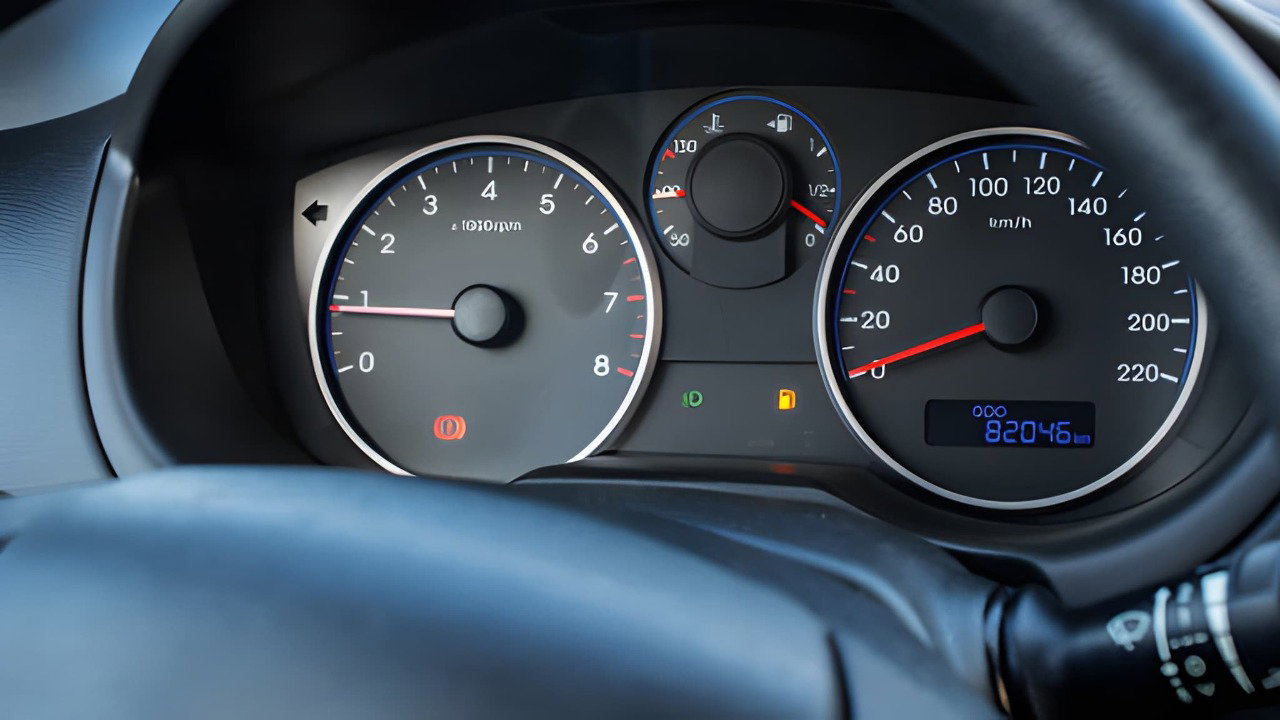
Modern vehicles use dashboard warning lights to tell drivers when something needs attention. These small symbols may seem confusing at first, but they help prevent larger and more costly problems. Many drivers ignore them because the car still feels normal, yet that choice can lead to expensive repairs later. While reading FIXD Reviews may help some drivers learn about vehicle diagnostics, understanding what warning lights mean is still one of the best ways to protect your car. Learning these basic signs gives you more confidence, helps you make better maintenance decisions, and keeps your vehicle running safely for years.
Why Dashboard Warning Lights Matter
Dashboard warning lights are part of your vehicle's built-in monitoring system. They collect information from different sensors and alert you when something falls outside the normal range. Some lights indicate minor maintenance needs, while others signal serious issues that require immediate action. Paying attention to these alerts can save both money and time.
Ignoring warning lights often turns small repairs into major expenses. For example, a low oil pressure warning may start with a simple oil problem. If ignored, it can lead to severe engine damage that costs thousands of dollars to repair. Understanding these signals helps drivers respond early instead of waiting until the vehicle breaks down.
Understanding the Check Engine Light
The check engine light is one of the most common dashboard warnings. It can appear because of something simple, such as a loose gas cap, or because of a more serious issue involving the engine or emissions system. Since the causes vary widely, it is important not to guess what the light means.
When the check engine light stays on steadily, schedule a diagnostic inspection as soon as possible. If the light begins flashing, stop driving when it is safe because this often signals a severe engine problem. Quick action reduces the chance of lasting engine damage and lowers repair costs over time.
Paying Attention to Oil and Temperature Warnings
Oil pressure and engine temperature lights deserve immediate attention because they protect the engine from serious damage. The oil pressure warning means the engine may not be receiving enough lubrication. Without proper oil flow, engine parts create excessive friction and wear much faster than normal.
The engine temperature warning indicates the engine is overheating. Overheating can damage the head gasket, warp engine components, and shorten the life of many important parts. Pulling over safely, turning off the engine, and checking the problem before continuing your trip is usually the smartest choice when these lights appear.
Brake System Warning Signs
The brake warning light should never be ignored because it affects your ability to stop safely. It may indicate low brake fluid, worn brake pads, or another problem within the braking system. Regular brake inspections help prevent dangerous situations while keeping repair costs under control. Understanding dashboard warning symbols makes it easier to recognize when immediate action is necessary rather than delaying an important repair.
If the anti-lock braking system light comes on, your regular brakes may still work, but the extra safety feature could be disabled. This means the vehicle may not handle emergency braking as well as expected. Having the braking system checked quickly helps restore full safety and gives you greater confidence behind the wheel during all driving conditions.
Battery and Charging System Alerts
The battery warning light does not always mean the battery itself has failed. It often points to problems with the charging system, including the alternator, wiring, or drive belt. Since these parts work together to keep electrical systems running, ignoring the warning could eventually leave you stranded with a vehicle that will not start.
When this light appears, reduce unnecessary electrical use if possible and arrange for the charging system to be inspected. Catching a weak alternator early is usually much less expensive than replacing several damaged electrical components. Routine battery testing and regular inspections also reduce the chances of unexpected failures.
Tire Pressure Monitoring System Warnings
Many modern vehicles include a tire pressure monitoring system that alerts drivers when one or more tires have low air pressure. Proper tire pressure improves handling, fuel economy, and tire life. Even a small pressure drop can increase tire wear and reduce vehicle performance over time.
Check tire pressure with a reliable gauge instead of assuming the warning will disappear on its own. Temperature changes often affect tire pressure, especially during seasonal weather shifts. Keeping tires properly inflated also lowers the risk of blowouts, improves braking performance, and helps drivers maintain better control in difficult road conditions.
Building Good Habits for Long-Term Vehicle Health
The best way to avoid expensive repairs is to treat dashboard warning lights as helpful reminders instead of annoying distractions. Reading your owner's manual helps you understand what each symbol means for your specific vehicle. Regular maintenance also keeps many warning lights from appearing in the first place because important systems receive proper care before problems grow larger.
Creating a simple maintenance routine makes vehicle ownership less stressful. Schedule oil changes, check fluid levels, monitor tire pressure, and listen for unusual sounds while driving. These habits, combined with quick responses to warning lights, reduce repair bills and improve safety. Understanding preventive car maintenance allows drivers to address small issues before they become costly mechanical failures, making every trip more reliable and providing greater peace of mind.
