Why Preventive Car Maintenance Saves Money and Extends Vehicle Life
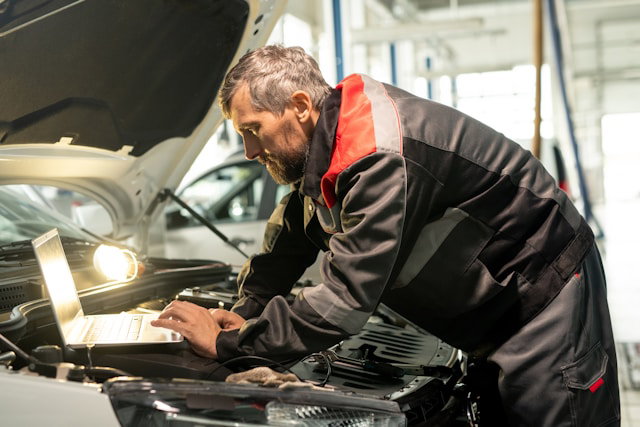
Preventive car maintenance is one of the simplest ways to protect your budget and keep your vehicle dependable for many years. Small services completed on time can prevent worn parts from damaging larger and more expensive systems. Drivers researching tools, maintenance advice, and vehicle health information often read FIXD Reviews to understand how early problem detection may support better decisions. Regular care also improves safety, fuel economy, and daily performance. Instead of waiting for a warning light or a sudden breakdown, a planned maintenance routine helps you catch minor issues before they become costly repairs.
Prevent Small Problems From Becoming Major Repairs
Many expensive vehicle repairs begin as small problems that are easy to overlook. A minor oil leak, a worn belt, or a weak battery may not stop the car immediately, but it can put extra stress on nearby parts. Over time, that stress can cause a much larger failure. Regular inspections give a technician or vehicle owner a chance to notice unusual sounds, fluid loss, cracks, corrosion, and loose connections. Fixing these issues early usually costs far less than replacing a damaged engine component, electrical system, or cooling system after a complete breakdown.
Routine maintenance also reduces the risk of unexpected repair bills. When you follow a service schedule, you can plan for oil changes, tire replacement, brake work, and other common expenses. This makes vehicle ownership easier to manage because costs are spread across the year instead of arriving all at once. A sudden repair may also include towing, rental transportation, and missed work. Preventive service reduces the likelihood of these additional expenses. Spending a smaller amount on regular care can protect you from a much larger financial problem later.
Keep the Engine Running Smoothly
The engine depends on clean oil to reduce friction, control heat, and protect moving metal parts. As motor oil ages, it becomes dirty and loses some of its lubricating ability. Delayed oil changes can lead to sludge, excess heat, and faster internal wear. In severe cases, poor lubrication can cause complete engine failure. Following the oil type and service interval recommended for your vehicle helps maintain proper protection. Checking the oil level between services is also important because low oil can still damage an engine even when the oil is clean.
Other basic services also support engine health. A clean air filter allows the engine to receive the airflow it needs for efficient combustion. Fresh spark plugs help the fuel burn correctly, while a clean fuel system supports smooth power delivery. Ignoring these items may cause rough idling, slow acceleration, poor fuel economy, or difficult starting. These symptoms can place more strain on the engine and related systems. Replacing affordable maintenance parts at the right time helps the engine run more efficiently, improving performance and extending its useful life.
Improve Fuel Economy and Lower Daily Costs
A poorly maintained vehicle often uses more fuel than necessary. Low tire pressure increases rolling resistance, forcing the engine to work harder to move the car. Dirty filters, worn spark plugs, old fluids, and faulty sensors can also reduce efficiency. The change may seem small during one trip, but the extra fuel cost can become significant over months of driving. Regular checks help the vehicle operate closer to its intended efficiency level. Better fuel economy means fewer stops at the gas station and more money left for other household expenses.
Driving habits matter, but maintenance creates the foundation for efficient operation. Proper wheel alignment helps the car roll straight without dragging the tires across the road. Clean engine components support better combustion, while the correct oil reduces internal resistance. Even removing unnecessary weight from the trunk can slightly reduce fuel use. When these steps are combined with smooth acceleration and steady speeds, the savings become more noticeable. Preventive care not only reduces repair costs but also improves overall health. It can also lower the vehicle's operating costs year-round.
Protect the Brakes, Tires, and Suspension
Brakes and tires directly affect safety, but they also influence long-term ownership costs. Worn brake pads are usually affordable to replace when caught early. If ignored, the metal backing can grind against the brake rotors, requiring more expensive parts and labor. Regular brake inspections can identify thin pads, leaking fluid, damaged hoses, or uneven wear before braking performance becomes unsafe. A complete vehicle maintenance schedule should include brake checks based on mileage, driving conditions, and the recommendations listed in the owner’s manual.
Tire maintenance can prevent early replacement and protect suspension parts. Correct tire pressure helps the tread wear evenly, while regular rotation prevents one area from wearing much faster than another. Wheel alignment is also important because poor alignment can quickly damage tires and make the vehicle harder to control. Uneven tire wear may indicate worn shocks, struts, bearings, or steering components. Addressing the cause early protects the new tires and improves ride comfort. These simple services help drivers receive more value from every tire while reducing the risk of roadside failure.
Maintain Fluids and Cooling System Protection
A vehicle uses several fluids to control heat, transfer power, reduce friction, and support safe operation. Coolant protects the engine from overheating and freezing, while transmission fluid helps gears shift smoothly. Brake fluid transfers pressure from the pedal to the braking system. Power steering fluid, when used by the vehicle, supports easier steering. Each fluid can become dirty, low, or contaminated over time. Checking fluid levels and following replacement intervals helps prevent damage to pumps, seals, hoses, and internal parts, which can be expensive to repair.
The cooling system deserves special attention because overheating can quickly damage the engine. A weak hose, a leaking radiator, a failing thermostat, or a worn water pump may first cause only a small temperature change. Without service, the engine can overheat and suffer a damaged head gasket or warped metal components. Drivers should watch the temperature gauge and never ignore coolant leaks or a sweet smell near the vehicle. Periodic cooling system inspections can find weak parts before they fail. Keeping the system clean and sealed helps the engine maintain a safe operating temperature.
Preserve Reliability and Resale Value
A well-maintained car is more likely to start every morning, handle long trips, and perform well in changing weather. Reliability is especially important for people who depend on their vehicles for work, school, family care, or medical appointments. Preventive maintenance reduces the chance that a weak battery, a worn belt, a damaged tire, or a low fluid level will interrupt an important day. It also allows drivers to replace aging parts at their convenience. Planned service is usually less stressful than arranging emergency repairs after the vehicle has already stopped working.
Maintenance records can also increase buyer confidence when it is time to sell or trade the vehicle. Receipts and service reports show that oil changes, inspections, fluid services, and repairs were completed regularly. A buyer may be willing to pay more for a car with a clear history because it appears less likely to have hidden damage. Clean fluids, smooth operation, even tire wear, and a quiet engine also create a stronger first impression. Good care protects the vehicle while you own it and may help you recover more of its value later.
Build a Simple Long-Term Maintenance Routine
Preventive maintenance doesn't have to feel confusing or difficult. Start by reading the owner’s manual and noting the recommended service intervals for oil, filters, fluids, belts, spark plugs, tires, and inspections. Keep a simple record of the date and mileage each time work is completed. Monthly checks can include tire pressure, exterior lights, washer fluid, engine oil, and signs of leaks. Seasonal inspections are also useful before extreme heat, winter weather, or a long road trip. A consistent routine makes it easier to notice changes in how the vehicle sounds, feels, or performs.
The money saved through maintenance often comes from avoiding damage rather than finding the cheapest service. Quality parts, correct fluids, and skilled repairs can protect the vehicle better than rushed work that must be repeated. Drivers should respond quickly to warning lights, unusual smells, vibrations, leaks, or changes in braking and steering. Over many years, long-term vehicle reliability depends on steady attention to these small details. A well-maintained car can deliver safer travel, better efficiency, fewer breakdowns, and a longer service life, making preventive care a smart investment for almost every vehicle owner.
